Long-form writing on production AI agent engineering — validation loops, tool-call reliability, completion ownership, context engineering, cost forensics.
Blog
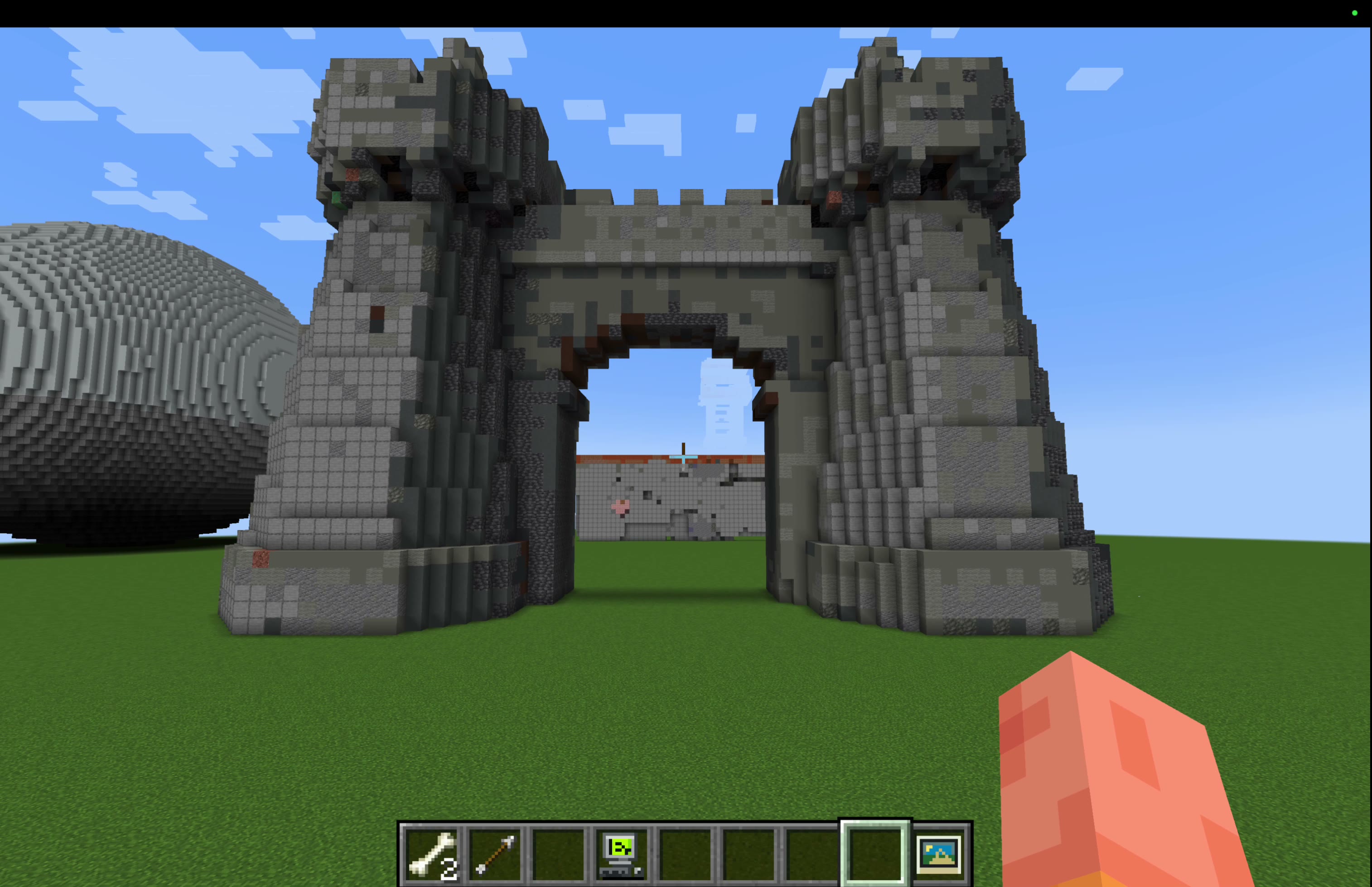
I ran eight building prompts through Higgsfield's Minecraft prompt-to-build. It nails single shapes in a minute but drops exact sizes, materials, doors, and whole scenes.
2026-06-18
11 min read
Blog
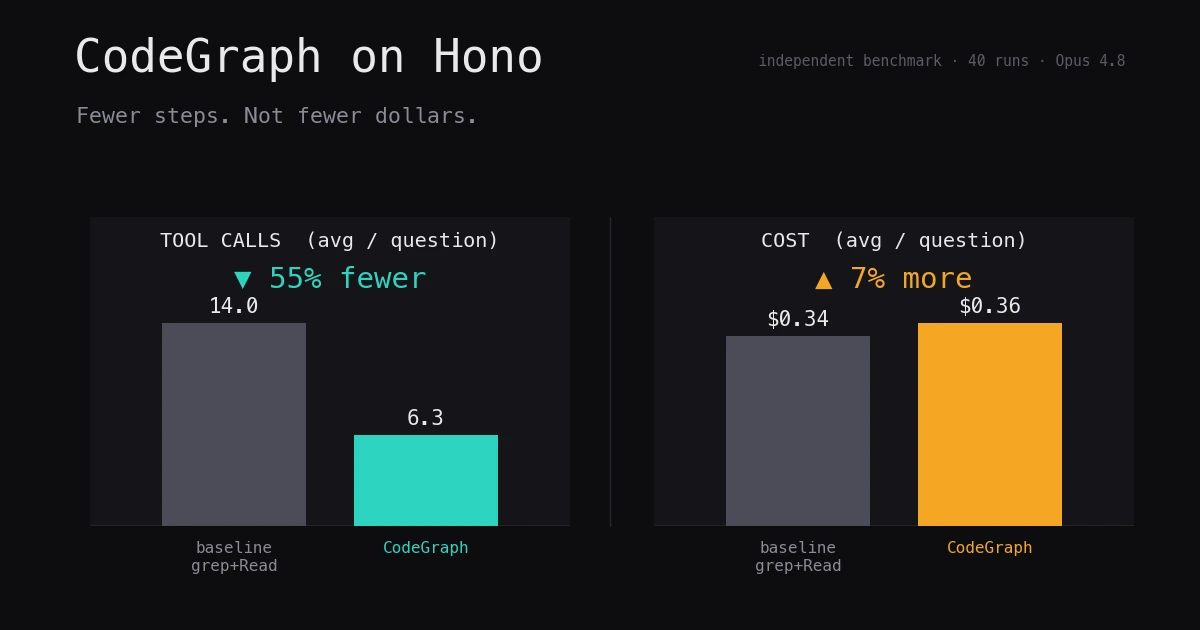
Independent CodeGraph benchmark on Hono (~280 TS files): -55% tool calls reproduces the published claim, but cost is a wash (+7%), not -35%. Raw CSV included.
2026-06-01
19 min read
Blog
Same model, same test cases, 20% better results. 7 out of 8 fixes were pure code, zero LLM cost. Here's exactly what I changed and why it worked.
2026-05-12
7 min read
Blog
Don't bind to a single AI. Run three in competition, make the final call yourself, and let results judge everyone. The operating model for staying valuable in the AI age.
2026-05-03
10 min read
Blog
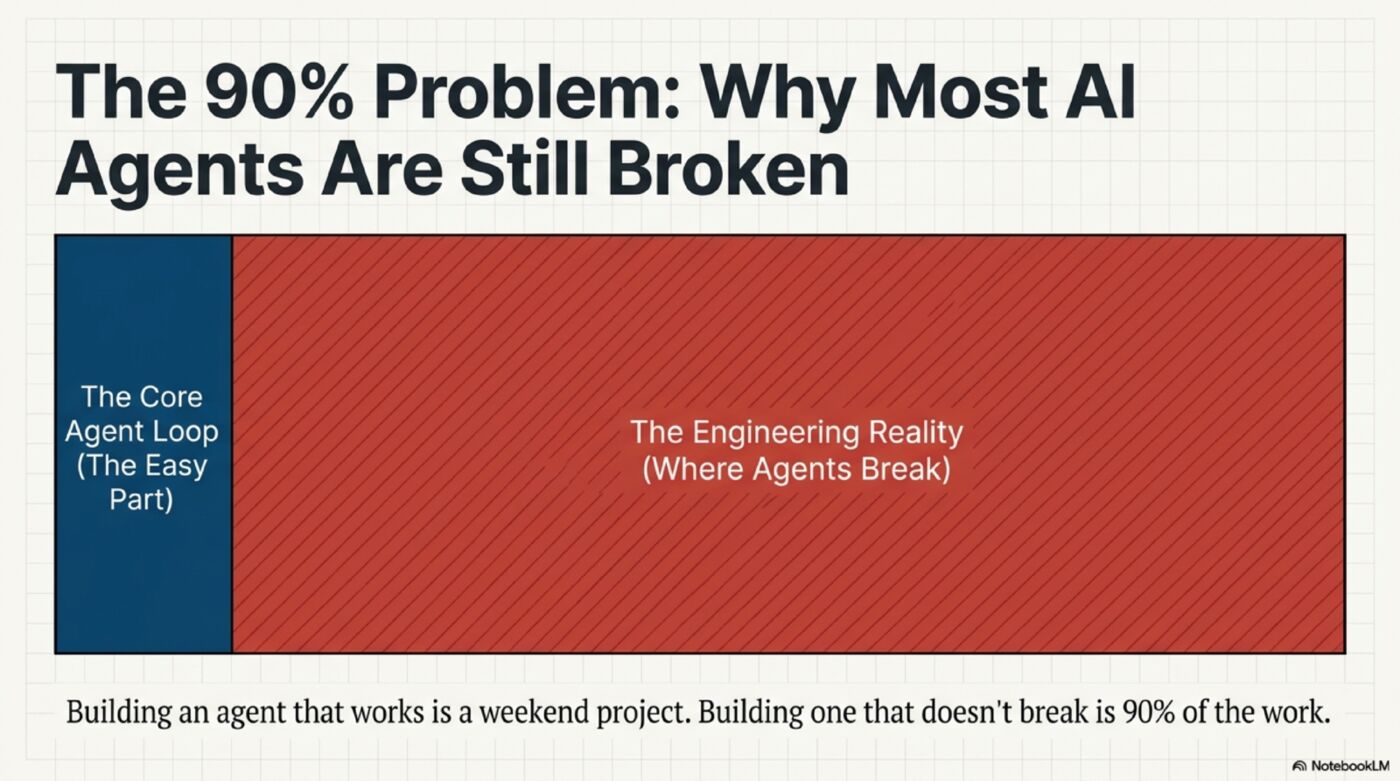
Building an AI agent that works is easy. Building one that doesn't break is 90% of the work. Here's what that 90% actually looks like — from leaked source code and production A/B data.
2026-04-17
9 min read
Blog
How to use OpenAI's Codex plugin inside Claude Code — turning Claude Opus and GPT-5.4 into a dual-brain coding system. Setup, commands, rescue workflows, and when each brain wins.
2026-04-07
6 min read
Blog
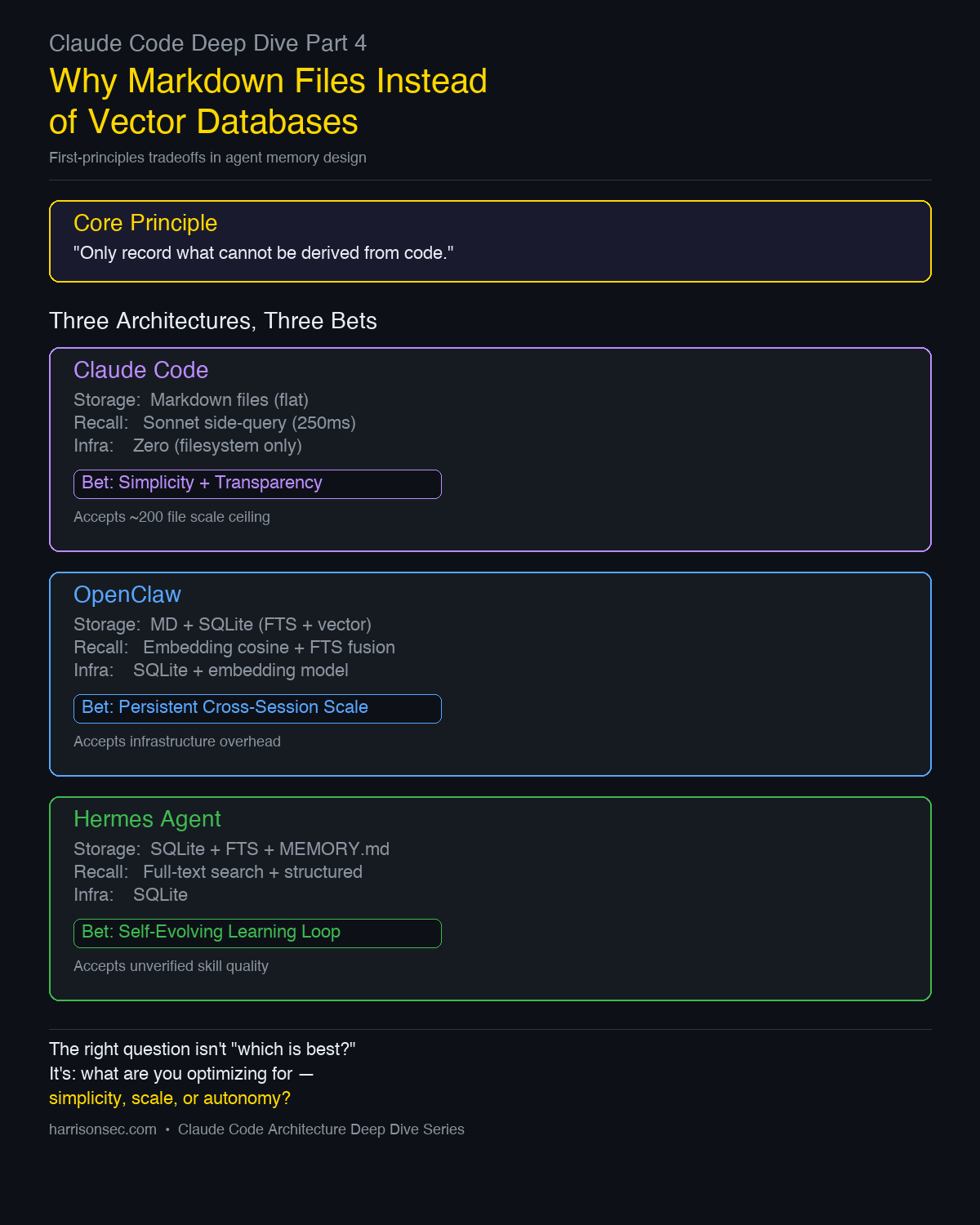
Claude Code's memory system looks simple on purpose. This piece breaks down the tradeoffs behind Markdown memories, Sonnet side-queries, and the decision to avoid vector databases.
2026-04-05
10 min read
Blog
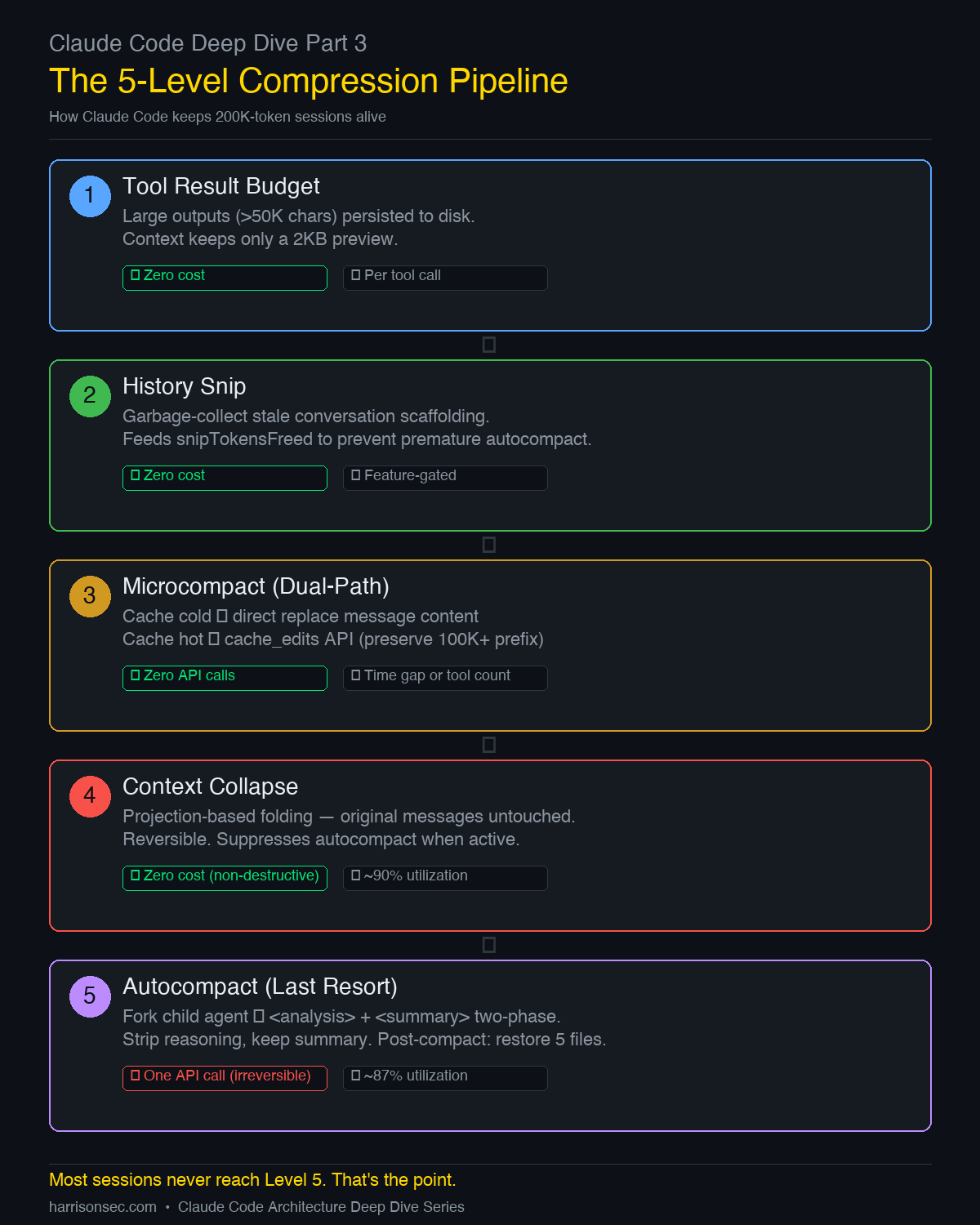
How Claude Code keeps 1M-token sessions alive: 5 levels of context compression, the dual-path algorithm, and what each level drops first.
2026-04-04
10 min read
Blog
Inside query.ts — the 1,729-line async generator that is Claude Code's beating heart. 10 steps per iteration, 9 continue points, 4-stage compression, and streaming tool execution. With line numbers.
2026-04-03
9 min read
Blog
AI API calls are unlike ordinary RPC: per-request cost varies 100×, tokens and models are first-class, streaming muddies timing, caching changes the pricing. A T-shaped instrumentation architecture — shared stem, specialized arms — that handles tracing, billing, and cost analytics without any of them contaminating the others.
2026-04-01
13 min read